
Lucidworks Fusion 2.1 Now Available!
Today we’re releasing Fusion 2.1 LTS, our most recent version of Fusion offering Long-Term Support (LTS).
Last month, we released version 2.0 which brought a slew of new features as well as a new user experience. With Fusion 2.1 LTS, we have polished these features, and tweaked the visual appearance and the interactions. With the refinements now in place, we’ll be providing support and maintenance releases on this version for at least the next 18 months.
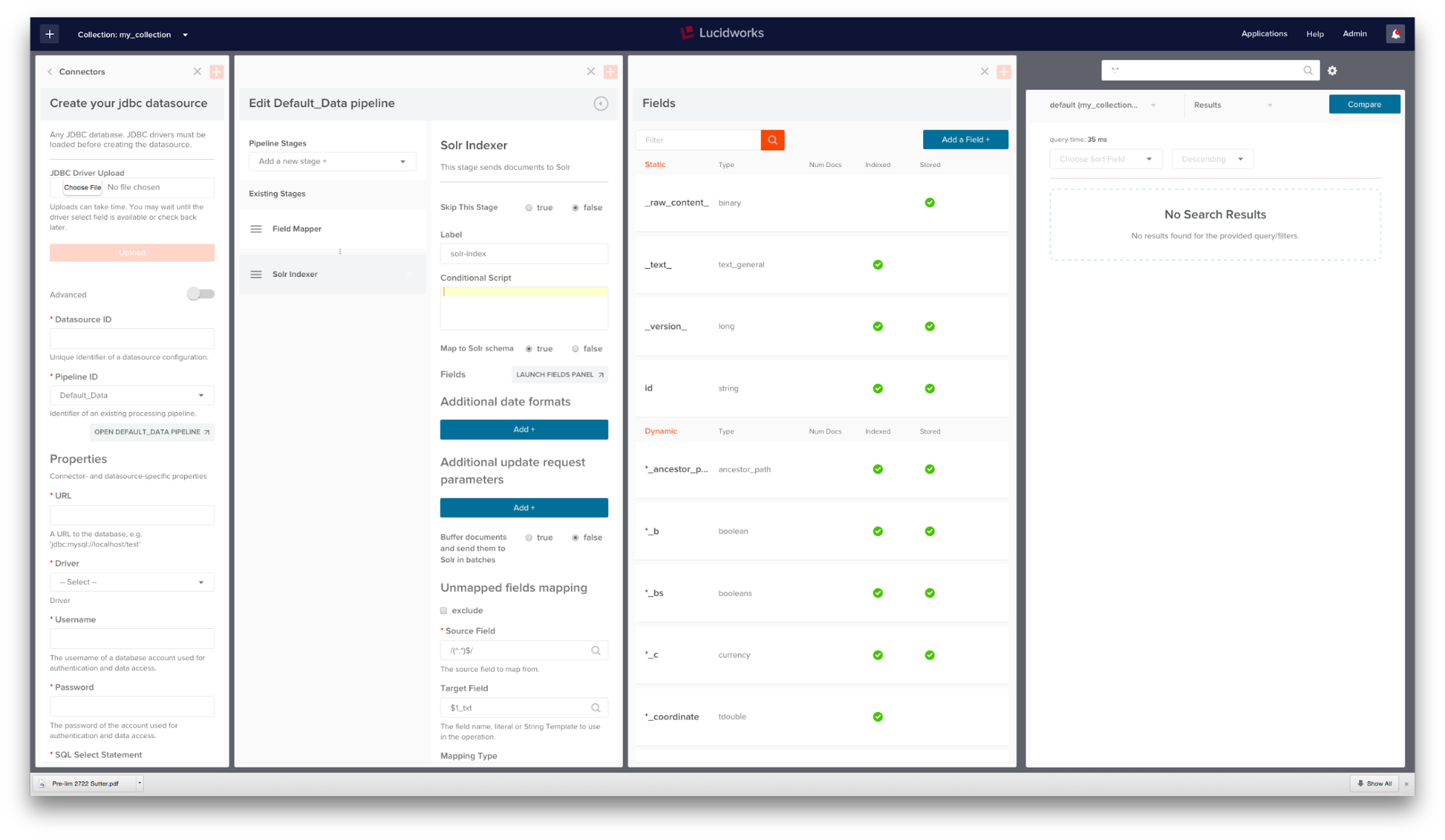
If you’ve already tried out Fusion 2.0, Fusion 2.1 won’t be revolutionary, but you’ll find that it works a little more smoothly and gracefully.
Besides the improvements to the UI, we’ve made a few back end changes:
- Aggregation jobs now run only using Spark. In previous versions, you could run them in Spark optionally, or natively in Fusion. We’ve found we’re happy enough with Spark to make it the only option now.
- You can now send alerts to PagerDuty. Previously, you could send and email or a Slack message. PagerDuty was a fairly popular request.
- Several new options for crawling websites
- Improvements to SSL when communicating between Fusion nodes
- A reorganization of the Fusion directory structure to better isolate your site-specific data and config from version-specific Fusion binaries, for easier upgrades and maintenance releases
- Better logging and debuggability
- Incremental enhancements to document parsing
- As always, some performance, reliability, and stability improvements
Whether you’re new to Fusion, or have only seen Fusion 1.x, we think there’s a lot you’ll like, so go ahead, download and try it out today!